Step into the spiritual heart of India with our specially curated Varanasi Tour Packages. Situated on the banks of the sacred Ganga, Varanasi is one of the world’s oldest continuously inhabited cities, where history, divinity, and culture converge. Our packages offer immersive experiences, from witnessing the mesmerizing Ganga Aarti at Dashashwamedh Ghat to exploring the narrow lanes filled with ancient temples, shrines, and local flavors.
Travelers can visit significant religious landmarks such as the Kashi Vishwanath Temple, Sankat Mochan Hanuman Temple, and Sarnath, where Lord Buddha gave his first sermon. A boat ride during sunrise on the Ganges offers a soul-stirring view of life along the ghats. Cultural enthusiasts can explore traditional silk weaving, local street food, and classical music performances that define the city’s rich heritage.
Our tours by The Butterfly Tours are crafted for families, pilgrims, solo explorers, and culture lovers - combining comfortable stays, guided tours, and spiritual insight. Whether you’re seeking salvation, history, or a deep cultural experience, Varanasi promises to leave a lasting impression.
Experience the eternal spirit of India - book your Varanasi journey today and immerse yourself in a city where every ritual tells a story.
Varanasi Tour packages

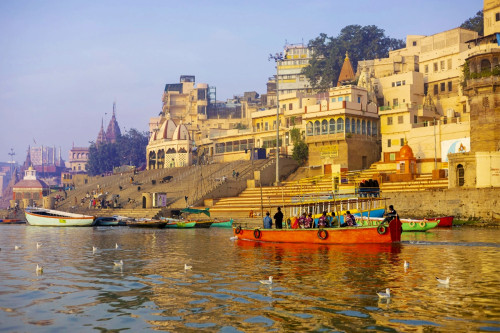
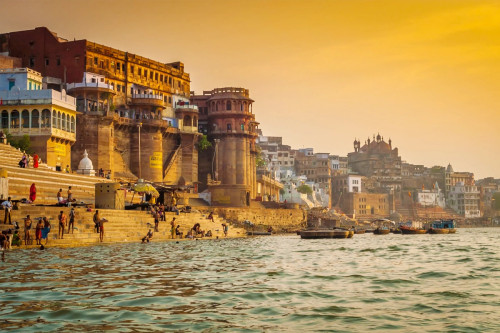
varanasi prayagraj getaway
Varanasi (2N) - Prayagraj (1N)
3 Nights - 4 Days
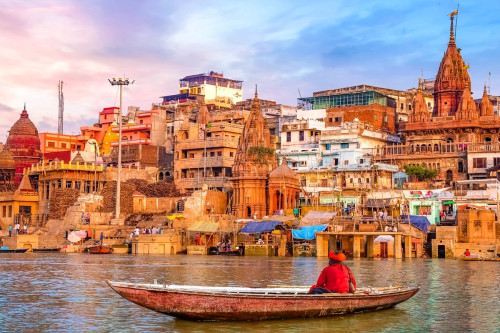
explore varanasi prayagraj
Varanasi (3N)
3 Nights - 4 Days
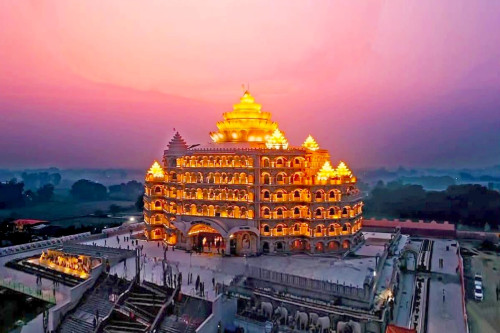
explore eternal varanasi spirit
Varanasi (3N)
3 Nights - 4 Days
divine kashi sangam & sarnath
Varanasi (3N) - Prayagraj (1N)
4 Nights - 5 Days
spiritual varanasi prayagraj chitrakoot
Varanasi (2N) - Prayagraj (2N) - Varanasi (1N)
5 Nights - 6 Days
divine kashi vindhyachal & chitrakoot
Varanasi (2N) - Prayagraj (2N) - Varanasi (1N)
5 Nights - 6 Days
sacred varanasi prayagraj ayodhya
Varanasi (2N) - Prayagraj (1N) - Ayodhya (1N) - Varanasi (1N)
5 Nights - 6 Days
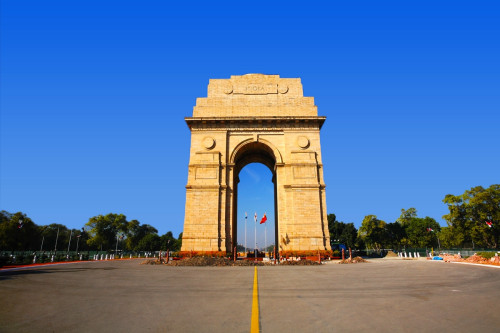
golden triangle varanasi escape
Delhi (1N) - Jaipur (2N) - Agra (1N) - Varanasi (2N)
6 Nights - 7 Days
Places to Visit in varanasi
Varanasi, one of the world's oldest continually inhabited cities, is a treasure trove of spiritual, historical, and architectural wonders. The city's soul resides along the sacred Ghats of the Ganges River, where life and death coexist in a profound daily ritual. A must-visit is the Kashi Vishwanath Temple, one of the most revered Jyotirlingas dedicated to Lord Shiva, attracting millions of devotees. The Sarnath archaeological site, located just outside the city, is where Lord Buddha delivered his first sermon. Here, the magnificent Dhamek Stupa and the serene Mulagandha Kuti Vihara stand as testaments to the birth of Buddhism.
Don't miss the architectural marvel of the Bharat Mata Temple, which houses a unique marble relief map of undivided India, and the scholarly ambiance of Banaras Hindu University (BHU), one of Asia's largest residential universities. Beyond these iconic sites, explore the narrow, labyrinthine galis (lanes) of the old city, which hold centuries of secrets and countless smaller temples. The Manikarnika Ghat and Harishchandra Ghat offer a stark, powerful perspective on the cycle of life. For a panoramic view of the riverfront, the Ramnagar Fort and Museum, located across the river, provides a glimpse into royal history with its vintage carriages and palanquins. Each site in Varanasi is not just a location but a chapter in a living, breathing epic of spirituality and human civilization.
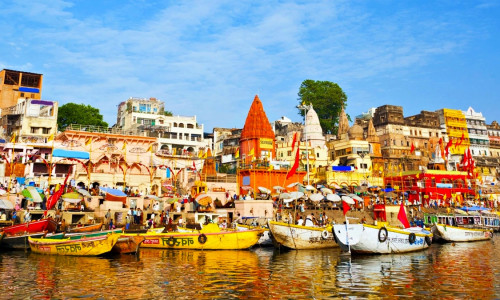
Varanasi Ghats
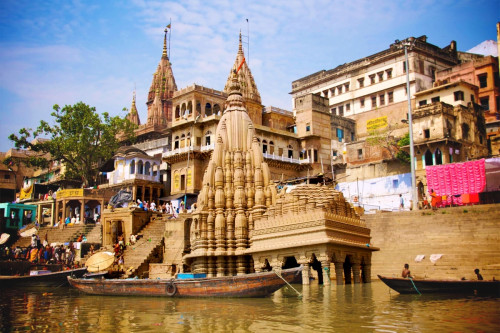
Ganges River Ghat is the spiritual heart of Varanasi, where life, faith, and tradition flow together along the sacred river. Lined with numerous ghats, this riverfront witnesses daily rituals, holy dips, yoga practices, and grand ceremonies like the Ganga Aarti. Pilgrims believe that bathing in the Ganges cleanses sins and grants spiritual liberation. The ghats also reflect everyday life, with priests performing prayers, devotees offering flowers, and boat rides revealing a timeless panorama of devotion, culture, and ancient beliefs deeply rooted in the city’s identity.
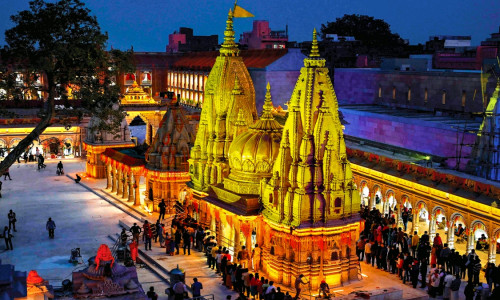
Kashi Vishwanath Temple
Kashi Vishwanath Temple is one of the most sacred Hindu shrines, dedicated to Lord Shiva and considered among the twelve Jyotirlingas. Located in the old city, the temple holds immense spiritual significance, attracting millions of devotees each year. The golden spire and sacred lingam symbolize divine power and eternal energy. Visiting this temple is believed to grant liberation from the cycle of birth and death. The surrounding narrow lanes, filled with chants and offerings, enhance the deeply devotional atmosphere.
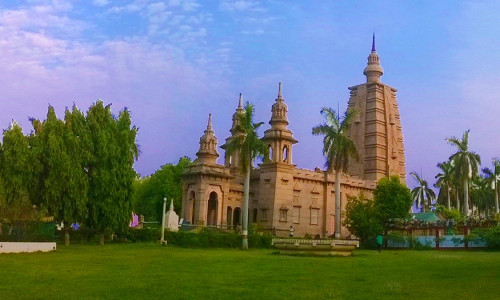
Sarnath
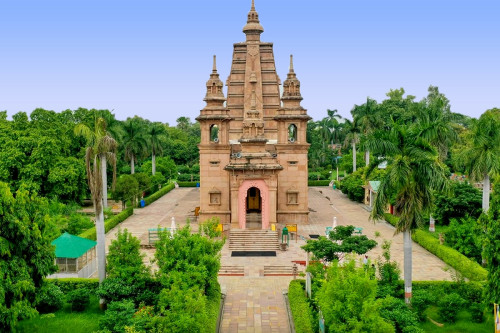
Sarnath, including the iconic Dhamek Stupa and Mulagandha Kuti Vihara, is a revered Buddhist pilgrimage site near Varanasi. It marks the place where Lord Buddha delivered his first sermon after attaining enlightenment. The massive Dhamek Stupa stands as a symbol of peace and wisdom, while the vihara is known for its beautiful murals and serene environment. Visitors experience a calm spiritual ambiance, making Sarnath an important center for meditation, history, and Buddhist learning.
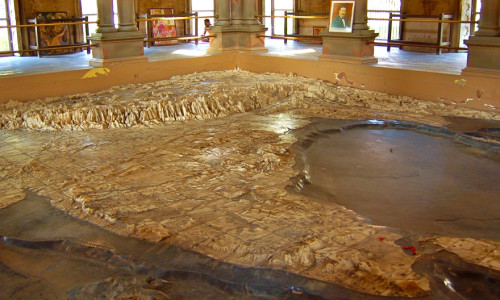
Bharat Mata Temple
Bharat Mata Temple is a unique shrine dedicated to Mother India rather than a traditional deity. Instead of idols, the temple features a detailed marble relief map of India, depicting mountains, rivers, and plains. This temple symbolizes national unity, cultural pride, and devotion to the country. It attracts visitors interested in history, patriotism, and architecture. The peaceful surroundings offer a reflective space, making it a meaningful stop for travelers seeking a blend of spirituality and national heritage.
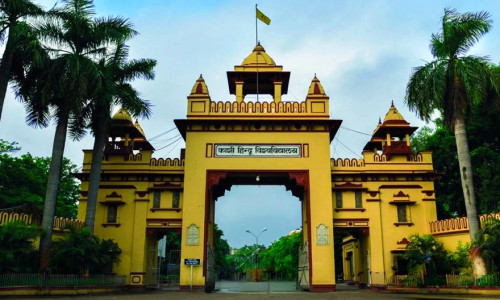
Banaras Hindu University
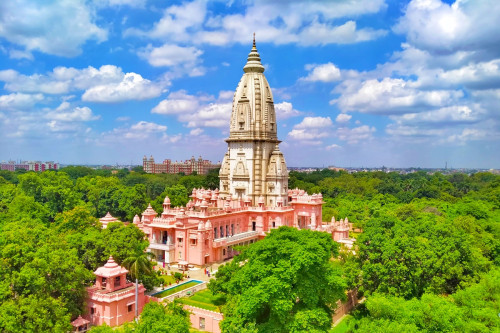
Banaras Hindu University (BHU) is one of Asia’s largest and most prestigious educational institutions, blending academic excellence with cultural richness. Founded by Pandit Madan Mohan Malaviya, the campus houses the famous New Vishwanath Temple, museums, and lush green spaces. Visitors admire its grand architecture and serene environment. BHU represents the intellectual and spiritual spirit of Varanasi, offering insight into Indian education, heritage, and traditional values within a vibrant academic setting.
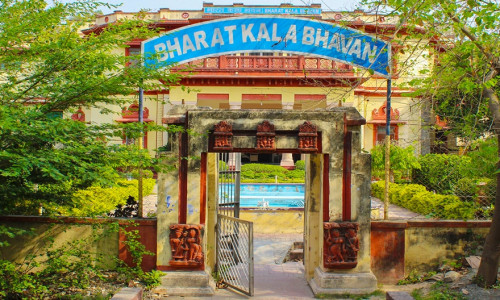
Bharat Kala Bhawan
Bharat Kala Bhawan is a renowned museum located within the Banaras Hindu University (BHU) campus, showcasing India’s rich artistic and cultural heritage. It houses an impressive collection of paintings, sculptures, textiles, manuscripts, coins, and archaeological artifacts. The museum highlights traditional Indian art forms along with rare historical exhibits. A visit to Bharat Kala Bhawan offers deep insight into the evolution of Indian culture, making it an ideal destination for art lovers, historians, and travelers seeking a deeper cultural experience in Varanasi.
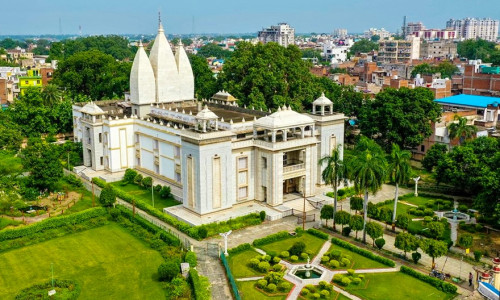
Tulsi Manas Mandir
Tulsi Manas Mandir is a revered temple in Varanasi, closely associated with the poet saint Tulsidas, who composed the epic Ramcharitmanas here. Dedicated to Lord Rama, the temple walls are beautifully inscribed with verses and scenes from the Ramayana, making it both a spiritual and literary landmark. The serene surroundings and white marble structure create a peaceful atmosphere for prayer and reflection. Devotees and visitors alike come here to connect with devotion, culture, and the timeless teachings of Lord Rama.
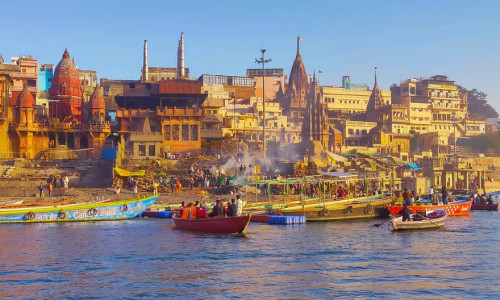
Manikarnika Ghat
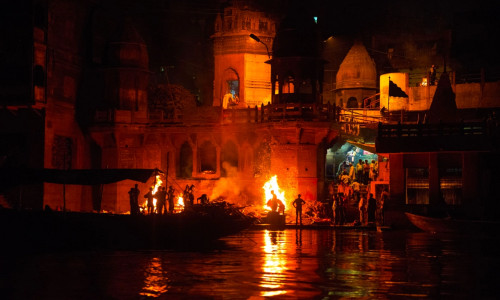
Manikarnika Ghat is the most sacred cremation ghat in Varanasi, deeply associated with the concept of moksha or liberation. It is believed that those cremated here attain freedom from the cycle of rebirth. The continuously burning funeral pyres reflect the Hindu philosophy of life and death. Though intense and emotional, the ghat offers profound spiritual insight into mortality, faith, and acceptance, making it one of the most powerful and meaningful places along the Ganges.
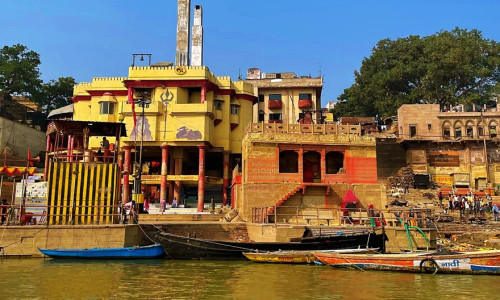
Harishchandra Ghat
Harishchandra Ghat is another important cremation ghat, named after the legendary King Harishchandra, symbolizing truth and sacrifice. Like Manikarnika, it is believed that cremation here leads to spiritual liberation. The ghat reflects ancient traditions and rituals associated with death and rebirth. Despite its solemn nature, it conveys deep philosophical meaning about life’s impermanence, attracting visitors interested in understanding Hindu beliefs and the spiritual depth of Varanasi.
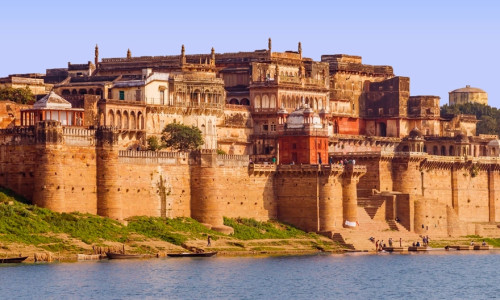
Ramnagar Fort
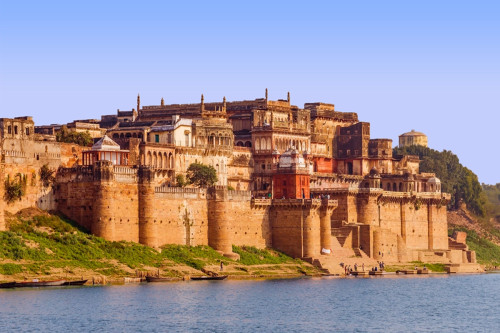
Ramnagar Fort, located on the eastern bank of the Ganges, is a historic sandstone fort that showcases royal heritage and traditional architecture. Built in the Mughal style, it houses a museum displaying vintage cars, weapons, manuscripts, and royal artifacts. The fort offers panoramic views of the river and ghats, especially during sunset. It provides a glimpse into the royal past of Varanasi, making it a fascinating destination for history and culture enthusiasts.
Things to Do in varanasi
The experience of Varanasi is deeply immersive and activity-based. At the Dashashwamedh Ghat, you must witness the spectacular Ganga Aarti ceremony that takes place every evening - a symphony of fire, chanting, bells, and incense that is both visually and spiritually mesmerizing. For a unique perspective, take an early morning boat ride on the Ganges at sunrise; it allows you to observe the ghats coming to life with pilgrims performing rituals, and the soft morning light creates a magical aura. In the lanes around Vishwanath Temple, engage in shopping for exquisite Banarasi silk sarees, brocades, and traditional handicrafts.
At Sarnath, spend time in quiet reflection at the stupas and gardens, and visit the excellent Archaeological Museum to see the iconic Lion Capital of Ashoka. For culinary adventures, explore the local eateries for street food delights like kachori, chaat, and the famous Banarasi paan. Participate in a yoga or meditation session offered at many guesthouses and ashrams. Finally, attend a classical music or dance performance, as Varanasi is a renowned center for Indian arts, often hosting intimate concerts in heritage havelis or cultural centers, providing a deep connection to India's artistic heritage.
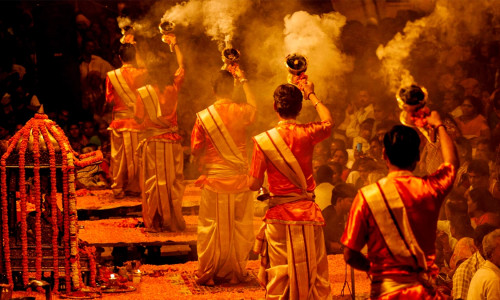
Ganga Aarti Experience
Ganga Aarti Experience in Varanasi is one of the most powerful spiritual spectacles in India, performed every evening at the iconic ghats, especially Dashashwamedh Ghat. Priests dressed in traditional attire conduct synchronized rituals with large oil lamps, incense, bells, and sacred chants dedicated to the holy River Ganges. The glowing flames reflected on the water, rhythmic mantras, and devotional music create an atmosphere filled with divine energy. Tourists can witness the ceremony from the ghats or enjoy a unique view from boats, making it a deeply moving and unforgettable experience.
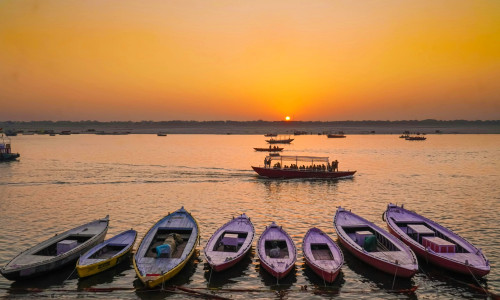
Sunrise Boat Ride
Sunrise Boat Ride on the Ganges offers a serene and visually stunning way to experience Varanasi at dawn. As the sun rises, the ghats come alive with pilgrims performing prayers, holy dips, and rituals along the sacred river. From the boat, tourists can admire ancient temples, historic palaces, and traditional life unfolding on the riverbanks. The calm waters, soft chants, and golden light create a peaceful ambiance. This experience beautifully captures the spiritual essence of Varanasi and provides excellent opportunities for photography and reflection.
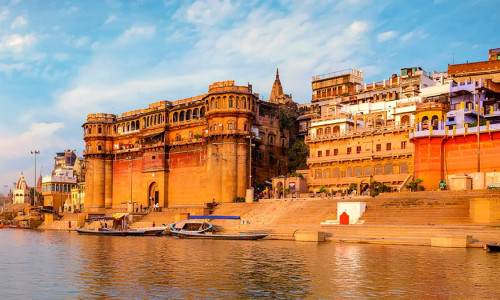
City Heritage Walk
Old City Heritage Walk takes tourists deep into the heart of Varanasi through its narrow, centuries-old lanes filled with history and tradition. Walking past ancient temples, traditional homes, bustling markets, and sacred shrines offers an authentic glimpse into daily life in one of the world’s oldest living cities. Guided heritage or spiritual walks often include stories of mythology, rituals, and local customs. The sounds of temple bells, aroma of incense, and vibrant street scenes make this walk a rich cultural and spiritual journey.
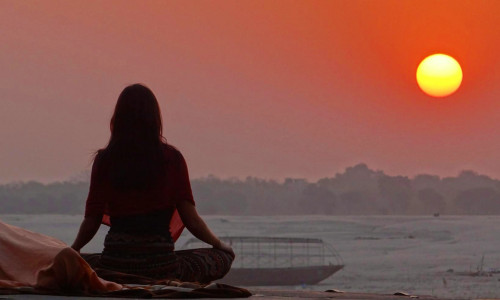
Yoga & Meditation
Yoga and Meditation in Varanasi provide a deeply calming and spiritual experience, perfectly aligned with the city’s sacred atmosphere. Many ashrams and riverfront spaces offer sessions focused on breathing techniques, mindfulness, and inner balance. Practicing yoga near the Ganges during early mornings enhances mental peace and physical well-being. Meditation sessions help visitors disconnect from daily stress and connect with inner self. This activity is ideal for travelers seeking spiritual healing, relaxation, and a deeper understanding of India’s ancient wellness traditions.
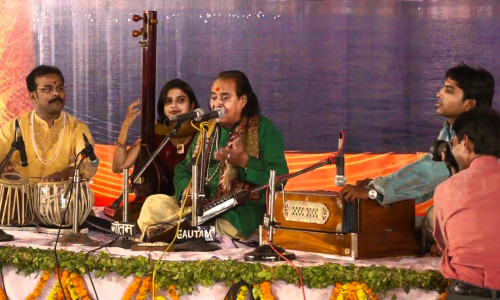
Classical Performances
Classical Music & Cultural Shows reflect the artistic soul of Varanasi, a city renowned for its contribution to Indian classical arts. Tourists can attend live performances of classical music, devotional songs, and traditional dance forms held at cultural centers, temples, and during festivals. The soulful melodies of sitar, tabla, and vocal music create a mesmerizing atmosphere. These performances offer insight into India’s rich artistic heritage and allow visitors to experience the timeless connection between music, spirituality, and tradition.

Banarasi Silk Shopping
Banarasi Silk Shopping is a must-do activity for tourists visiting Varanasi, as the city is world-famous for its exquisite silk sarees. Local markets showcase beautifully woven fabrics with intricate designs, gold and silver threads, and traditional patterns. Watching skilled artisans at work gives insight into this centuries-old craft. Visitors can also shop for scarves, dress materials, and handicrafts. Buying Banarasi silk is not just shopping, but taking home a piece of India’s rich cultural and textile heritage.
Local Food Experience
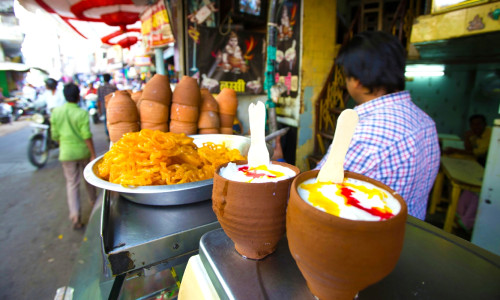
Local Food Experience in Varanasi is a delightful journey for food lovers, offering authentic flavors rooted in tradition. Tourists can savor popular street foods like kachori-sabzi, chaat, malaiyo, and sweet treats made with local ingredients. Refreshing lassi and the famous Banarasi paan add to the culinary charm. Exploring food stalls and small eateries provides a taste of the city’s lifestyle and hospitality, making the local cuisine an essential part of the Varanasi travel experience.
Cremation Rituals
Cremation Rituals at Ghats offer a profound insight into Hindu beliefs about life, death, and liberation. Ghats like Manikarnika and Harishchandra are continuously active, where final rites are performed according to ancient traditions. Witnessing these rituals helps visitors understand the concept of moksha and acceptance of mortality in Hindu philosophy. Though solemn and emotional, the experience is deeply spiritual and thought-provoking, revealing the raw and honest relationship between life, death, and faith in Varanasi.
Best Time to Visit in varanasi
The ideal time to visit Varanasi is during the winter months, from October to March. This period offers the most pleasant weather for exploration. The days are cool and sunny, with average temperatures ranging from 5°C to 15°C in December and January, while October, November, February, and March see a more comfortable range of 15°C to 25°C. This season is perfect for attending outdoor ceremonies, boat rides, and temple visits without the discomfort of extreme heat or rain. Major festivals like Dev Deepawali (in November) and Maha Shivaratri (in February/March) occur during this time, adding immense cultural vibrancy to the visit.
The summer season, from April to June, is very hot and dry, with temperatures soaring between 30°C and 45°C, making daytime sightseeing strenuous. The monsoon season, from July to September, brings relief from the heat but also heavy rainfall, high humidity, and occasional flooding near the ghats. While the rain-washed city has its own charm and fewer tourists, outdoor activities and ceremonies can be disrupted. Therefore, winter remains the undisputed best season for a holistic and comfortable Varanasi tour experience.
How to Reach varanasi
Varanasi is a major transportation hub in North India and is well-connected by air, rail, and road. The city is served by the Lal Bahadur Shastri International Airport (VNS) in Babatpur, located about 25 km from the city center. It has direct domestic flights from all major Indian cities like Delhi, Mumbai, Kolkata, and Bengaluru, as well as a few international connections. The most popular and economical way to reach Varanasi is by Indian Railways. The city's main station, Varanasi Junction (BSB), and the newer Banaras (BSBS) and Mughal Sarai (MGS) junctions are crucial nodes on the Indian railway network, with frequent trains from across the country, including premium and superfast services.
For those preferring road travel, Varanasi is linked to major cities via a network of national and state highways. Regular state-run and private AC buses connect it to cities like Lucknow, Patna, and Allahabad. The drive, especially on the newly developed expressways, offers a glimpse of the rural heartland of Uttar Pradesh and Bihar. Once in the city, pre-paid taxis and app-based cabs are readily available from all arrival points to take you to your accommodation.
Accommodation in varanasi
Varanasi offers a remarkably diverse range of accommodation options catering to every budget and travel style, from spiritual seekers to luxury tourists. For an authentic and immersive experience, numerous heritage havelis and guesthouses are located in the old city near the ghats, offering basic to mid-range facilities with breathtaking views of the Ganges and direct access to the morning rituals. The city also boasts several luxury and five-star hotels, primarily located in the Cantonment and Lahurabir areas, which provide world-class amenities, spas, multi-cuisine restaurants, and shuttle services to the main attractions.
Budget-conscious travelers will find plenty of economy hotels, lodges, and backpacker hostels scattered around the city center and near the railway station. For those on a spiritual quest, Varanasi is famous for its ashrams and dharamshalas (pilgrim guesthouses), which offer simple, no-frills lodging, often with vegetarian meals, for a nominal donation. These provide a unique opportunity to live a disciplined, community-based life. Additionally, a growing number of modern boutique hotels and serviced apartments are available, blending comfort with local aesthetics, suitable for families and longer stays.
Transportation in varanasi
Navigating Varanasi is an adventure in itself. The narrow, winding lanes of the old city are accessible only on foot, by bicycle, or by two-wheeler. For longer distances, the most common modes are auto-rickshaws and cycle-rickshaws. Auto-rickshaws are inexpensive and best for point-to-point travel outside the congested core, while cycle-rickshaws offer a slower, more atmospheric ride through the bustling markets—remember to negotiate the fare before starting your journey. App-based taxi services like Uber and Ola are widely available and convenient for travel to and from the airport, railway stations, and Sarnath.
For the quintessential Varanasi experience, rowing boats (dongas) are the primary mode of transport along the riverfront. You can hire them for a one-way crossing or for longer tours to see the ghats from the water. While there are city buses, they are often crowded and not very tourist-friendly. For independent exploration, many guesthouses offer bicycle or scooter rentals. It's advisable to plan your day considering traffic congestion, especially during festivals, and to embrace the slower pace - getting lost in the alleys is part of the city's charm.
FAQ for varanasi
This section is dedicated to answering the most common queries from travelers planning a trip to Varanasi. Below, you will find a curated list of questions and detailed answers covering practical tips, cultural etiquette, budgeting, and unique experiences to help you prepare for your journey to this ancient city.
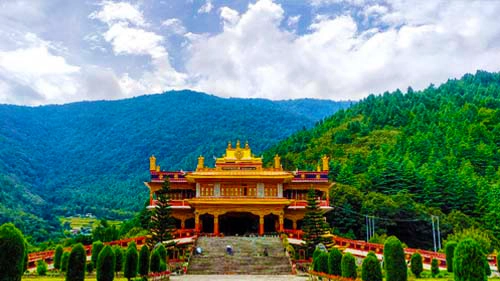
Sightseen Tour Booking
Explore captivating destinations hassle-free with our seamless sightseeing tour booking, creating unforgettable travel experiences with ease.

Transfer Booking
Simplify your travel: Ensure smooth transitions with efficient and reliable transfer booking services for seamless journeys.

Tour Guide Booking
Elevate your exploration: Book knowledgeable guides for enriched travel experiences, unlocking the essence of every destination.
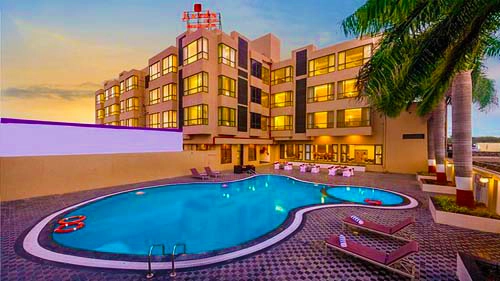
Hotel Booking
Plan your stay effortlessly, book top-notch accommodations worldwide for a comfortable and memorable travel experience.